
Basic Profile
Chinese name: Calcium Hypochlorite ; Aliases: High-test hypochlorite, Premium bleaching powder
Molecular formula: Ca(ClO)₂; Molecular weight: 142.98
CAS: 7778-54-3
HS Code: 2828100000
English name: Calcium Hypochlorite; Abbreviation: CHC
UN Number: UN1748 (dry product, available chlorine >39%, Class 5.1 oxidizing solid, Packing Group II)
Distinction: Ordinary bleaching powder is a mixture of calcium hypochlorite + calcium chloride + calcium hydroxide, with available chlorine of 30–35%; high-test hypochlorite is high-purity calcium hypochlorite, with available chlorine of 60–70%.
1、Physical and Chemical Properties
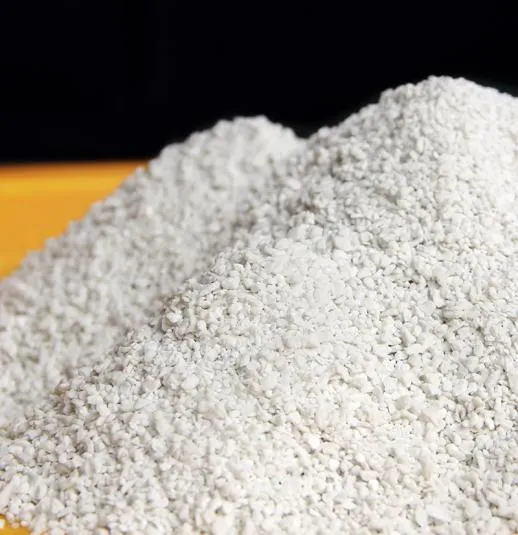
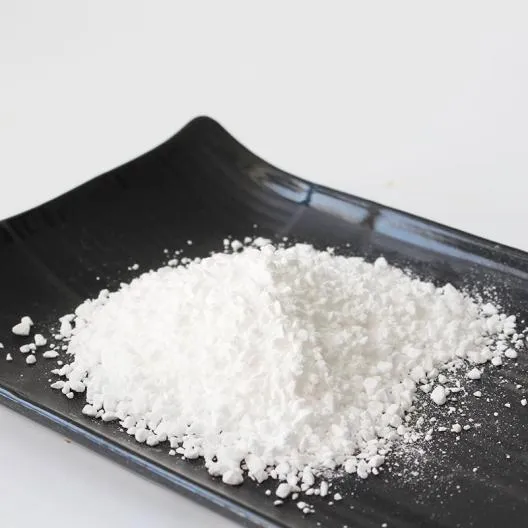
1、Appearance: White to grayish-white granules, powder, or flakes, with a strong pungent chlorine odor.
2、Density: 2.35 g/cm³; begins to decompose at 100 °C; undergoes vigorous exothermic decomposition at 175 °C, releasing oxygen and chlorine gas.
3、Solubility: Soluble in water; aqueous solution is strongly alkaline, with a 1% solution at pH ≈ 10–11. Hydrolyzes in water to form hypochlorous acid (HClO), which exerts bactericidal and bleaching effects.
4、Stability: The solid form is more stable than sodium hypochlorite solution. Moisture, light, and high temperature cause slow decomposition and a decline in available chlorine; available chlorine loss is approximately 6–12% after one year of storage.
5、Core chemical property: Strong oxidizer.
Rapidly releases highly toxic chlorine gas upon contact with acids;
Reacts with ammonia, ammonium salts, and urea to form toxic/explosive chloramines and nitrogen trichloride;
Contact with wood chips, grease, paper, or reducing agents can cause exothermic ignition;
Aqueous solutions undergo disproportionation upon prolonged standing, forming calcium chloride and calcium chlorate.
6、Product Forms.
Granular: 14–50 mesh, moderate dissolution rate, low dust generation; widely procured for swimming pools and water treatment.
Powder: Fast dissolution, high dust; suitable for bleaching and on-site disinfectant preparation in factories.
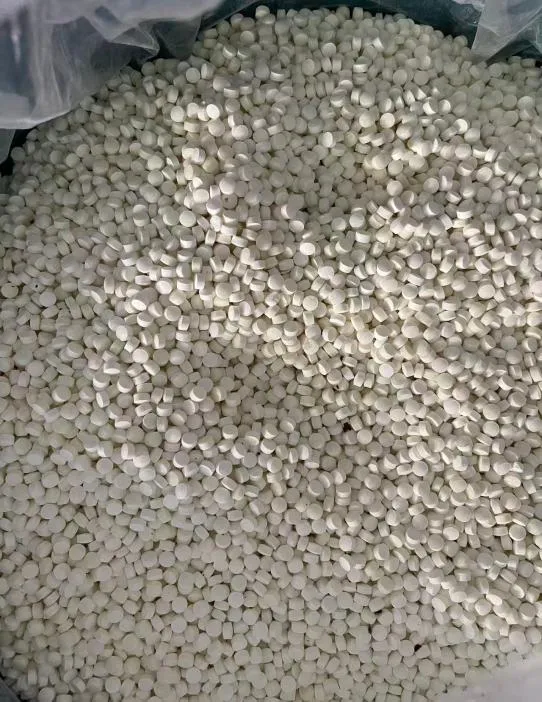
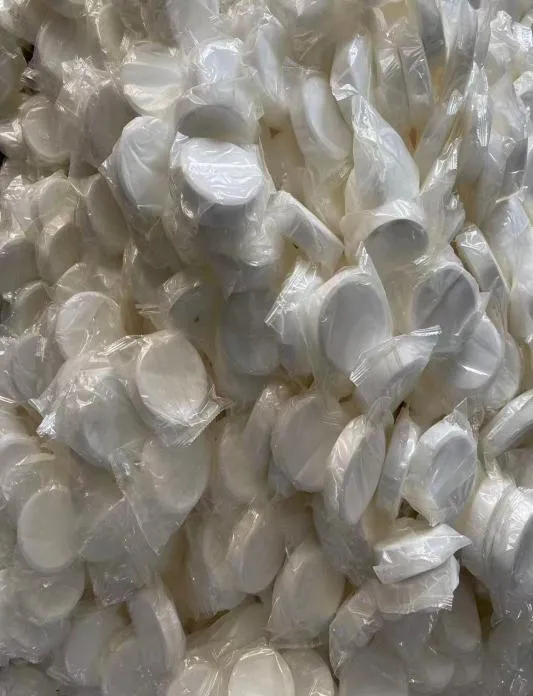
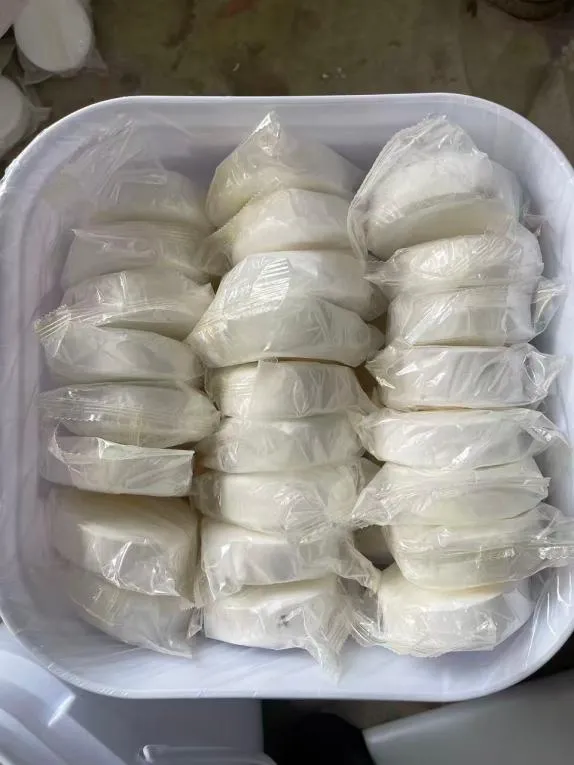
Tablet: 5 g, 10 g, 20 g, 200 g compressed tablets, used for swimming pool dosing.
2、 Industrial Specifications
Item Sodium-Process High-Test Hypochlorite (Mainstream for Export)
Available chlorine 65–70% min
Moisture 5–10%
Water-insoluble matter ≤5%
Form Granular / Powder / Tablet
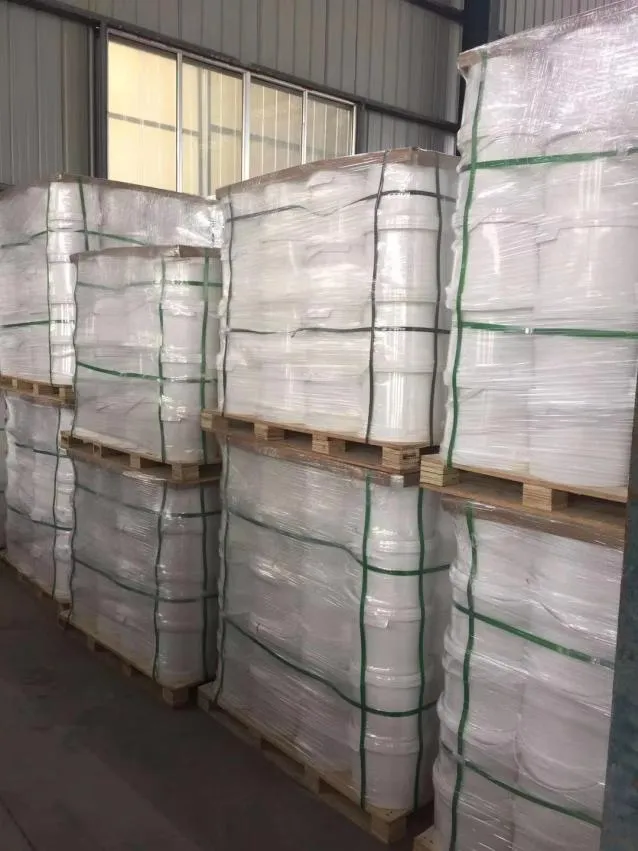
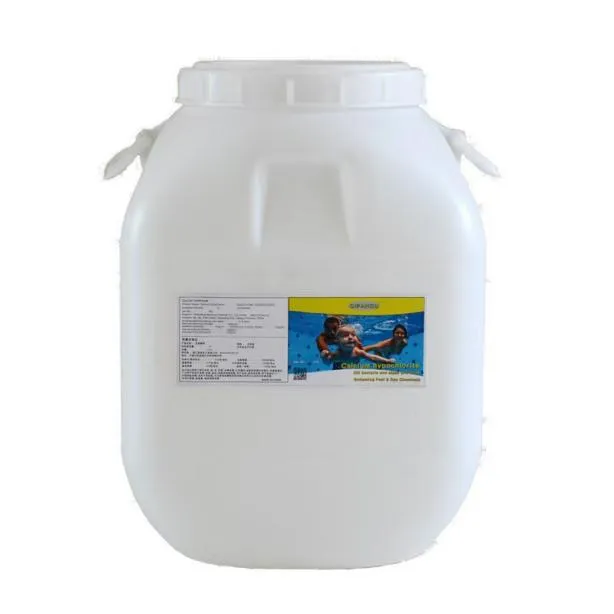
Packaging 25–50 kg plastic drum with PE bag liner
3、 Production Process
Industrial mainstream: Lime milk chlorination method. Chlorine gas is passed into cooled lime milk (calcium hydroxide suspension) for reaction, followed by filtration, centrifugal dewatering, drying, and granulation to obtain granular high-test hypochlorite. The sodium process adds a small amount of sodium hydroxide to reduce the calcium chloride by-product content and improve product storage stability.
Reaction: 2Ca(OH)₂ + 2Cl₂ → Ca(ClO)₂ + CaCl₂ + 2H₂O
4、 Main Application Areas
Core functions: Broad-spectrum bactericidal disinfection, algae removal, bleaching, strong oxidative decolorization and deodorization. The solid form offers good stability; the largest market is water treatment and sanitization.
1. Water Treatment
Drinking water disinfection: Used in small water plants, rural well water, field operations, and emergency drinking water sanitization during earthquakes and floods, to kill bacteria and viruses. The solid form is convenient for storage and transportation and carries no risk of liquid chlorine leakage.
Swimming pools and landscape pools: Water bactericidal treatment and algae removal to maintain water quality. Granules/tablets are dosed directly; heavily procured by the overseas swimming pool industry.
Industrial circulating cooling water: Bactericidal and algae removal in cooling towers and circulating water pools, slime inhibition, and protection of pipeline equipment.
Sewage and wastewater treatment: Oxidative disinfection, decolorization, and partial COD degradation of domestic sewage and some industrial wastewater; sanitization of slaughterhouse and aquaculture wastewater.
2. Bleaching Industry
Textile industry: Bleaching of cellulose fabrics such as cotton, linen, and viscose to improve whiteness. Not to be used on wool or silk protein fibers, as it will oxidatively damage the fibers. It can also be used in wool shrink-resistant finishing processes.
Paper industry: Pulp bleaching, decomposing lignin pigments, for the production of white paper, toilet paper, and similar products.
3. Environmental and Public Health Disinfection
Environmental disinfection of floors and walls in hospitals, hotels, schools, and stations; large-area environmental sanitization and deodorization in epidemic-affected areas.
Disinfection of equipment and floors in food processing plants and slaughterhouses (only diluted solutions may be used; direct contact with food is prohibited).
Emergency epidemic prevention and disinfection at disaster sites; classified as an emergency reserve disinfectant in many countries.
4. Agriculture, Animal Husbandry, and Aquaculture
Disinfection of livestock and poultry farm housing and equipment, deodorization and sterilization; disinfection of silkworm rearing environments.
Aquaculture: Fish pond clearing and water body disinfection to kill pathogenic microorganisms.
Fruit and vegetable cleaning and disinfection: Diluted solutions used for surface sterilization and preservation of fruits and vegetables (concentration must be strictly controlled).
5. Chemical and Other Industrial Uses
Chemical raw material and oxidizer: Acetylene gas purification; oxidizer in organic synthesis, used in the preparation of chemical products such as chloroform.
Decontamination of toxic agents and radioactive contamination; landfill deodorization, oxidizing malodorous substances such as hydrogen sulfide.
Mildew-proof treatment in the leather industry.
5、 Hazards and GHS Classification
Hazard category: Class 5.1 oxidizing solid; corrosive; highly toxic to aquatic organisms (marine pollutant).
GHS hazard statements:
H272: May intensify fire; oxidizer.
H302: Harmful if swallowed.
H314: Causes severe skin burns and eye damage.
H400: Very toxic to aquatic life.
Incompatible substances (strictly prohibited from mixed storage, mixed transport, or combined use): Various strong acids, ammonia water/ammonium salts, urea, reducing agents, wood chips, grease, paper, sulfur, phosphorus, and other combustible materials.
Health hazards: Dust irritates the eyes, nose, and respiratory tract; skin contact causes chemical burns; ingestion corrodes the digestive tract.
6、 Storage and Handling Guidelines
Storage: Store in a cool, ventilated warehouse at a temperature ≤30 °C and relative humidity <80%. Keep strictly sealed and moisture-proof. Keep away from heat sources and ignition sources. Completely isolate from acids, ammonia, organic matter, and reducing agents. Not suitable for long-term large-volume stockpiling.
Handling: Wear acid-alkali resistant gloves, goggles, and a respirator. Do not arbitrarily mix with other disinfectants. When preparing solutions, slowly add the solid to water — never pour water into the solid.
Spill handling: Collect dry powder; do not flush spilled solid directly with water. Waste liquid must be treated with sodium thiosulfate to reduce residual chlorine before discharge.
Firefighting: Use sand or carbon dioxide for extinguishing. Do not use a direct water jet to impact the material. Firefighters must wear respirators.
7、 Export Information
HS Code: 2828100000;
UN classification:
UN1748: Dry product, available chlorine >39%, PG II
UN2208: Dry mixture with available chlorine 10–39%, PG III
UN2880: Hydrated calcium hypochlorite, water content 5.5–16%
Required export documents: Dangerous goods packaging certificate, MSDS (SDS), and COA. Book shipping space as Class 5.1 dangerous goods. IMDG Code segregation requirements apply — must not be loaded in the same container with acids, ammonium salts, or organic matter. Drum body must be printed with GHS labels, UN markings, and marine pollutant markings.
Common packaging: 25 kg, 40 kg, 45 kg, 50 kg plastic drums with polyethylene bag liners.

Copyright © 2026 by Waycen Technology (Shandong)Co., Ltd. All Rights Reserved