
Aliases: sodium carbonate peroxide, solid hydrogen peroxide. It is an addition compound (not a mixture) of sodium carbonate and hydrogen peroxide, and is an inorganic oxygen-based bleaching agent and strong oxidizer (source: Douyin Encyclopedia).
Molecular formula: 2Na₂CO₃·3H₂O₂
CAS: 15630-89-4 EINECS: 239-707-6 Molecular weight: 314.02 UN No.: 3378 Hazard class: 5.1 oxidizing solid Packing group: III
1、 Physical and Chemical Properties
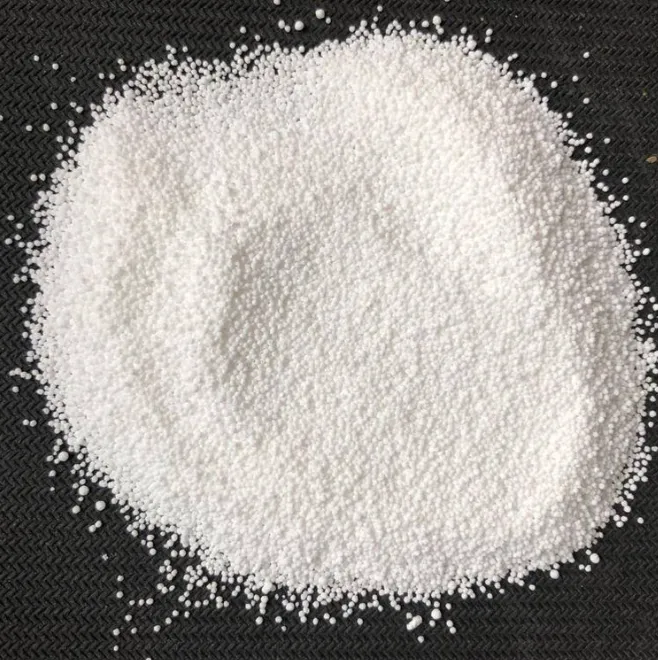
1. Appearance: white granules / powder. The mainstream industrial form is coated granules (the surface is coated with stabilizers to improve storage stability and reduce decomposition caused by moisture absorption); odorless, with good free-flowing properties.
2. Solubility: readily soluble in water; solubility approx. 140 g/L at 20 °C. It dissociates rapidly in water:
2Na₂CO₃·3H₂O₂ = 2Na₂CO₃ + 3H₂O₂. The hydrogen peroxide further decomposes to release active oxygen (O₂). The aqueous solution is weakly alkaline, with a pH of 10.3–10.6 for a 3% solution.
Thermal stability: a heat-sensitive substance; self-decomposition accelerates above 50 °C, releasing oxygen and heat. Moisture, metal ions (Fe, Cu, Mn), acids, and reducing agents all catalyze decomposition.
Active oxygen: conventional industrial products typically have an active oxygen content ≥ 13.0%, and the national-standard disinfectant grade is ≥ 11%. Decomposition products: sodium carbonate, water, and oxygen — no chlorine residue, environmentally friendly.
Density: true density 2.1 g/cm³; apparent density of granules 0.5–0.7 g/cm³.
Overall decomposition reaction:
2Na₂CO₃·3H₂O₂ = 2Na₂CO₃ + 3H₂O + 1.5O₂
2、Main Uses
1. Household and laundry chemicals (largest application area)
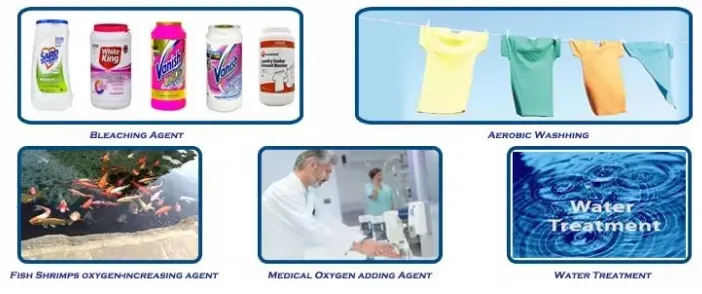
Color-safe bleach powder, "explosion salt" oxygen bleach, and bleaching component for phosphorus-free laundry powders; low-temperature bleaching that does not damage colored fabrics; removes fruit juice, blood, tea, and sweat stains; replaces chlorine bleaching without yellowing.
Hotel linen washing, dishwasher detergents, carpet / hard-surface cleaners, and deodorizers.
As an oxygen-based bleaching auxiliary added to laundry powders and cleaners, it rapidly releases active oxygen at low temperatures, effectively removing stubborn stains such as fruit stains, wine stains, and yellow scale, while also providing disinfection, sterilization, and deodorizing functions. Compared with traditional chlorine-based bleaches, it does not damage fabrics, has no odor, and is suitable for all fibers and colored fabrics.
2. Textile and paper industries
Textiles: low-temperature bleaching of cotton and linen fibers, replacing sodium hypochlorite and reducing fiber damage;
Papermaking: oxygen bleaching of pulp, with no AOX chlorine-containing pollutants — environmentally friendly.
3. Disinfection, water treatment, and aquaculture
Disinfectant: disinfection of object surfaces, fabrics, and environments, killing bacteria and viruses; WS/T 646-2019 national standard for sodium percarbonate disinfectants.
Aquaculture: oxygenation of fish ponds, sediment conditioning, degradation of organic matter, and water quality improvement. As an oxygen-generating source, sodium percarbonate can be used in household oxygen concentrators or portable oxygen supply equipment. It generates oxygen quickly and with high purity, and the equipment is simple and inexpensive, making it suitable for use in remote areas or in the field where oxygen cylinders are unavailable.
Wastewater: oxidizes organic pollutants and removes COD.
4. Food, agriculture, and animal husbandry — other applications
Raw milk preservation system (lactoperoxidase system auxiliary);
Fruit and vegetable washing and preservation;
Oral care and denture cleanser formulations;
Chemical oxygen-supply agent: as an oxygen-generating source, sodium percarbonate can be used in household oxygen concentrators or portable oxygen supply equipment. It generates oxygen quickly and with high purity, and the equipment is simple and inexpensive, making it suitable for use in remote areas or in the field where oxygen cylinders are unavailable.
3、 Hazard and Safety Information (SDS Highlights)
GHS classification:
H272: Oxidizer — may intensify fire; not combustible itself, but releases oxygen that supports combustion
H302: Harmful if swallowed
H318: Causes serious eye damage
H335: May cause respiratory irritation; toxic to aquatic life
⚠ Prohibitions: do not store or mix with reducing agents, sulfur/phosphorus substances, organic matter, or acids; heavy metals such as copper and iron rapidly catalyze decomposition.
Personal Protection
Dust: wear a dust mask;
Handling: wear alkali-resistant gloves and goggles;
Eye contact: rinse continuously with plenty of clean water for at least 15 minutes and seek medical attention.
Storage and Transport
Store in a cool, dry warehouse at a temperature below 40 °C, sealed and moisture-proof; keep separate from combustibles and reducing agents;
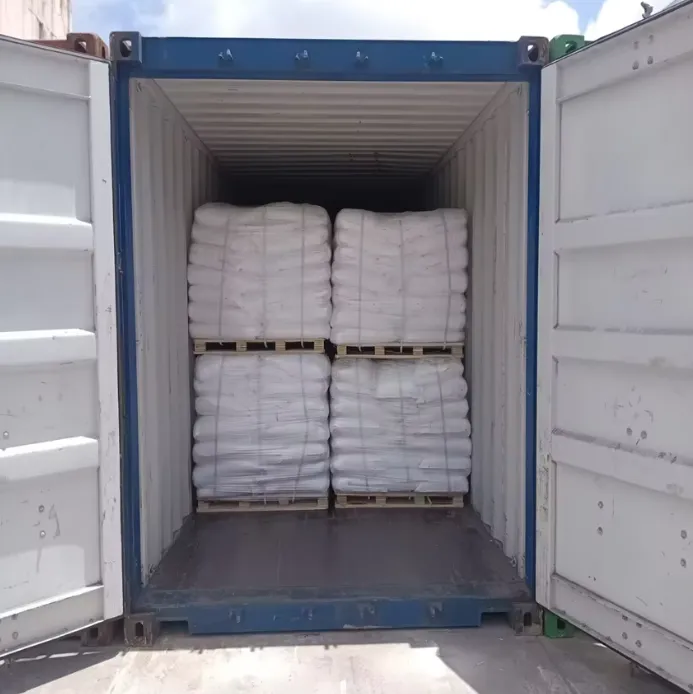
Sea transport: Class 5.1 oxidizer, IMDG compliant, UN3378;
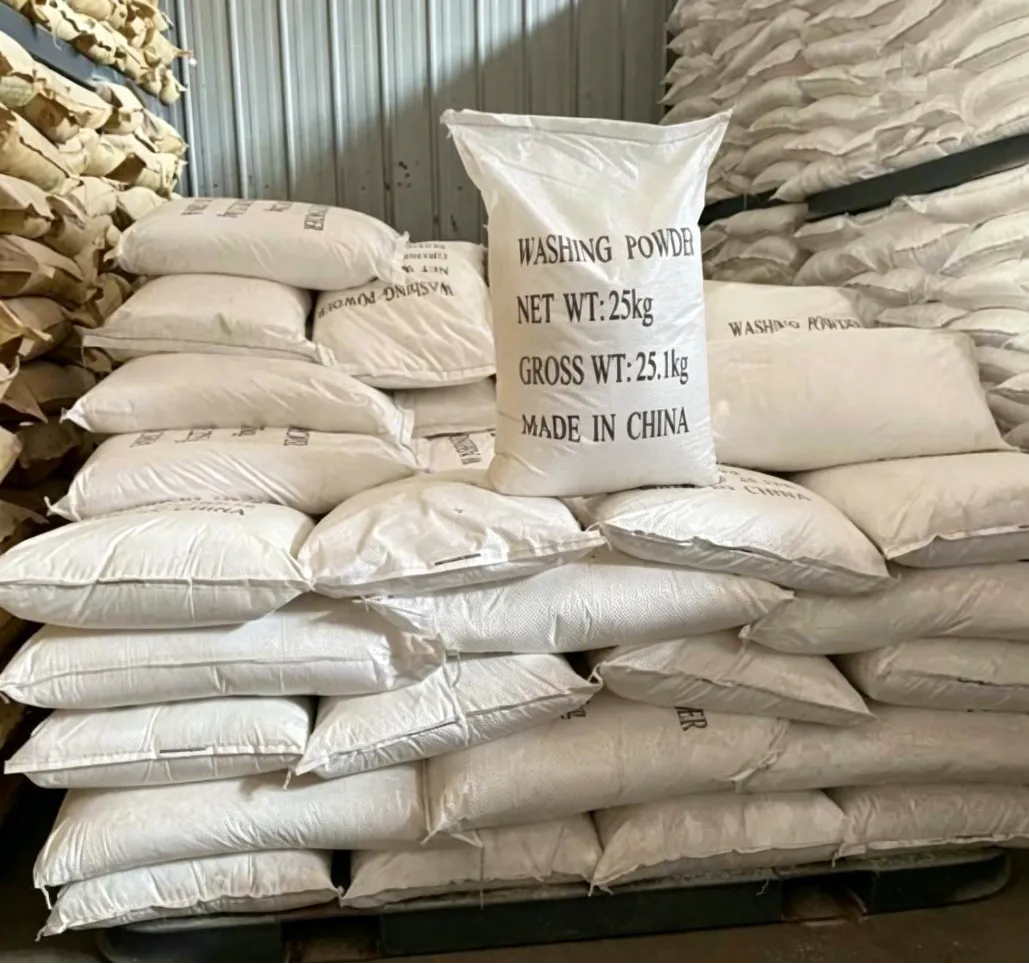
Packaging: 25 kg woven plastic bags with PE inner liner, or fiber drums; coated granules are preferred for export to prevent moisture absorption during sea transport from reducing the active oxygen content.
4、 Common Specifications
Regular granules: active oxygen ≥ 13%;
Coated type (Coated SPC): active oxygen ≥ 13%, low moisture absorption, suitable for tropical sea transport;
Low-dust powder: used for disinfectant formulations.
Common test parameters: active oxygen, moisture, bulk density, pH, stability test, and iron content (the lower the iron content, the better the stability).

Copyright © 2026 by Waycen Technology (Shandong)Co., Ltd. All Rights Reserved